Skip to content

Shoulder Pain

Triceps Brachii Muscle Pain

    The triceps brachii muscle is found in the back of the upper arm. It can contribute to dull aching pain in the shoulder upper arm, elbow, forearm which occasionally extends into the fingers. The elbow can be hypersensitive and difficult to bend and straighten.
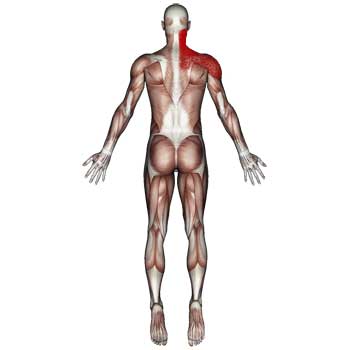
    Subclavius Muscle: Collarbone, Arm, Hand, Finger Pain

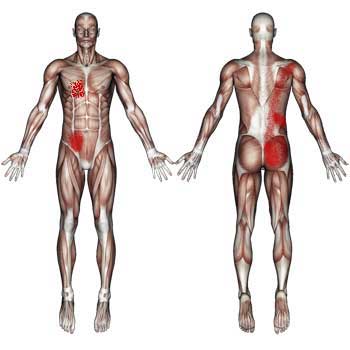
      The subclavius muscle is found just under the collarbone. It contributes to pain in the area around the clavicle (collarbone), shoulder, upper arm, forearm, thumb and fingers. It can also contribute to tingling and numbness in the arm and hand.

      Scalene Muscles: Neck, Shoulder, Chest, Upper Back, Arm, Pain

        Scalene muscles are a prime contributor to thoracic outlet syndrome as well as neck, shoulder, chest, upper back and arm pain. Muscle twitching, jerking and restlessness similar to restless leg syndrome felt in the neck and shoulder is a classic sign of scalene dysfunction

        Biceps Brachii Muscle Pain

          The biceps brachii muscle is found in the front of the upper arm. It contributes to pain in the shoulder, upper arm and elbow. Straightening the arm when the palm is facing up can be painful and difficult.

          Deltoid Muscle: Shoulder Pain and Weakness

            The deltoid is the muscle that covers the tip of the shoulder. It contributes to pain in the shoulder and upper arm. One indication of problems with the deltoid muscle is pain is most intense during activity and subsides when resting the shoulder and arm.

            Subscapularis Muscle: Frozen Shoulder Pain, Rotator Cuff

              The subscapularis muscle is found on the inside of the shoulder blade. It can cause severe pain in the shoulder blade area that can also run down the back of the arm. Pain is also often felt in the wrist, but not the forearm.

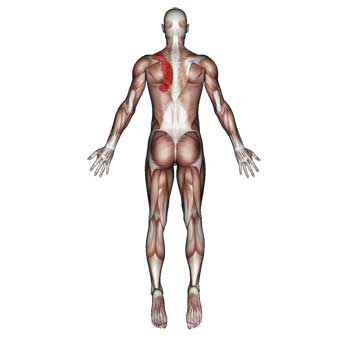
              Rhomboids Muscle Pain

                The rhomboids consist of two muscles, the rhomboid major and the rhomboid minor. They are located in the upper back and contribute to pain around the inner edge of the shoulder blade.